
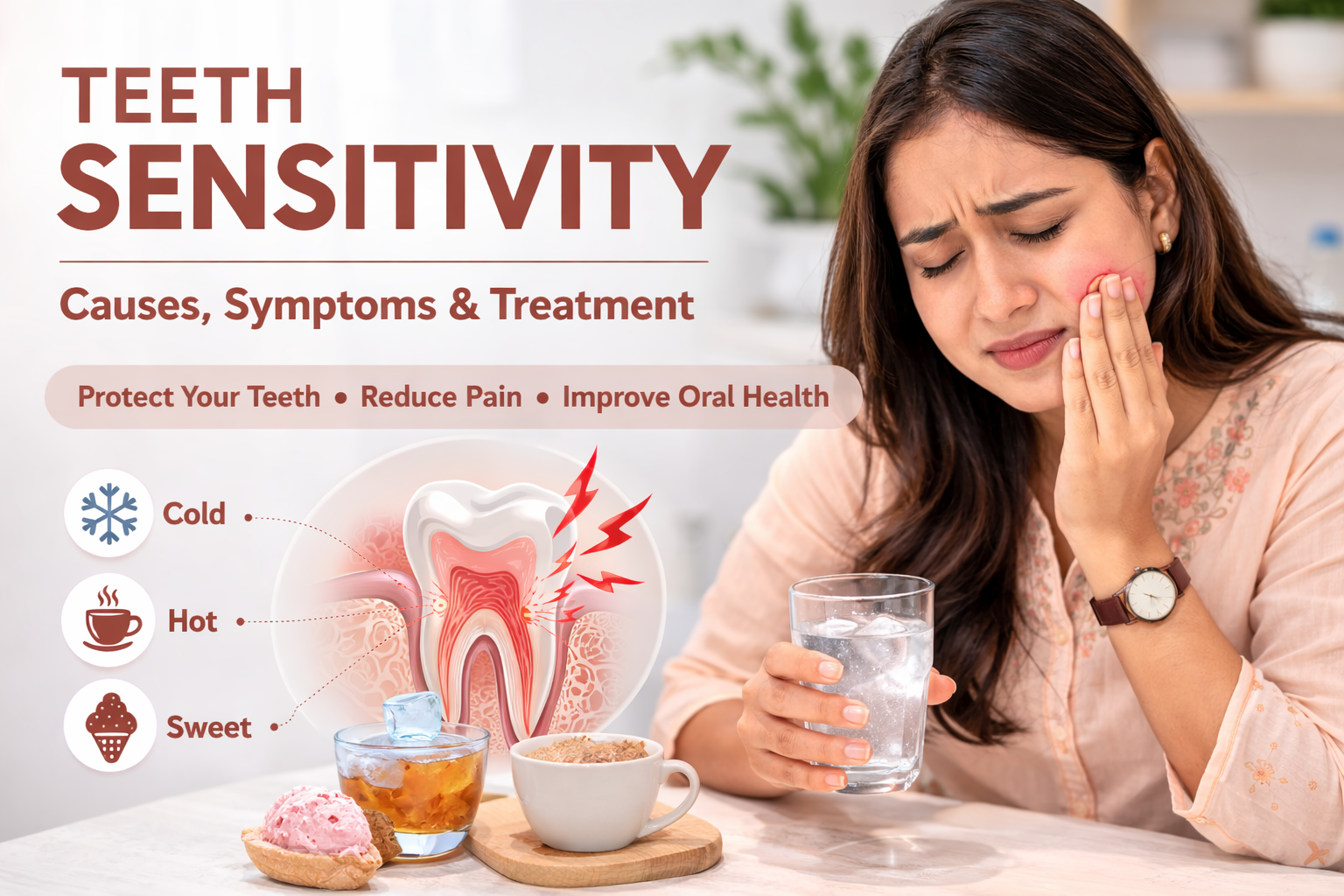
Teeth Sensitivity
Teeth sensitivity, also known as dentin hypersensitivity, is a common dental problem characterized by discomfort or pain in response to certain stimuli, such as hot, cold, sweet, or acidic foods and beverages, as well as cold air or brushing and flossing.
Teeth sensitivity occurs when the underlying dentin layer of the tooth becomes exposed. Dentin is made up of tiny tubules that connect to nerve endings in the pulp of the tooth. When the protective enamel layer on the tooth’s surface wears away or becomes damaged, the dentin becomes exposed, allowing external stimuli to reach the nerve endings, leading to sensitivity or pain.
Several factors can contribute to the development of teeth sensitivity, including:
1. Tooth Erosion: Acidic foods and beverages, as well as stomach acid from conditions like acid reflux, can gradually wear away the enamel, exposing the dentin.
2. Tooth Decay: Cavities or dental caries can compromise the enamel and expose the dentin, leading to sensitivity.
3. Gum Recession: Receding gums can expose the root surfaces of teeth, which are not protected by enamel, making them more susceptible to sensitivity.
4. Brushing Habits: Aggressive brushing or using a hard-bristled toothbrush can wear down the enamel and contribute to sensitivity.
5. Dental procedures: Some dental treatments, such as teeth whitening or dental restorations, may cause temporary sensitivity.
While it’s essential to address the underlying cause of teeth sensitivity, there are several home remedies and lifestyle changes that can help alleviate symptoms:
1. Use a desensitizing toothpaste containing ingredients like potassium nitrate or fluoride, which can help block nerve signals and strengthen enamel.
2. Practice good oral hygiene, including using a soft-bristled toothbrush and gentle brushing technique, as well as flossing daily to remove plaque and prevent gum recession.
3. Avoid acidic or sugary foods and beverages that can contribute to enamel erosion.
4. Limit consumption of hot or cold foods and drinks that trigger sensitivity.
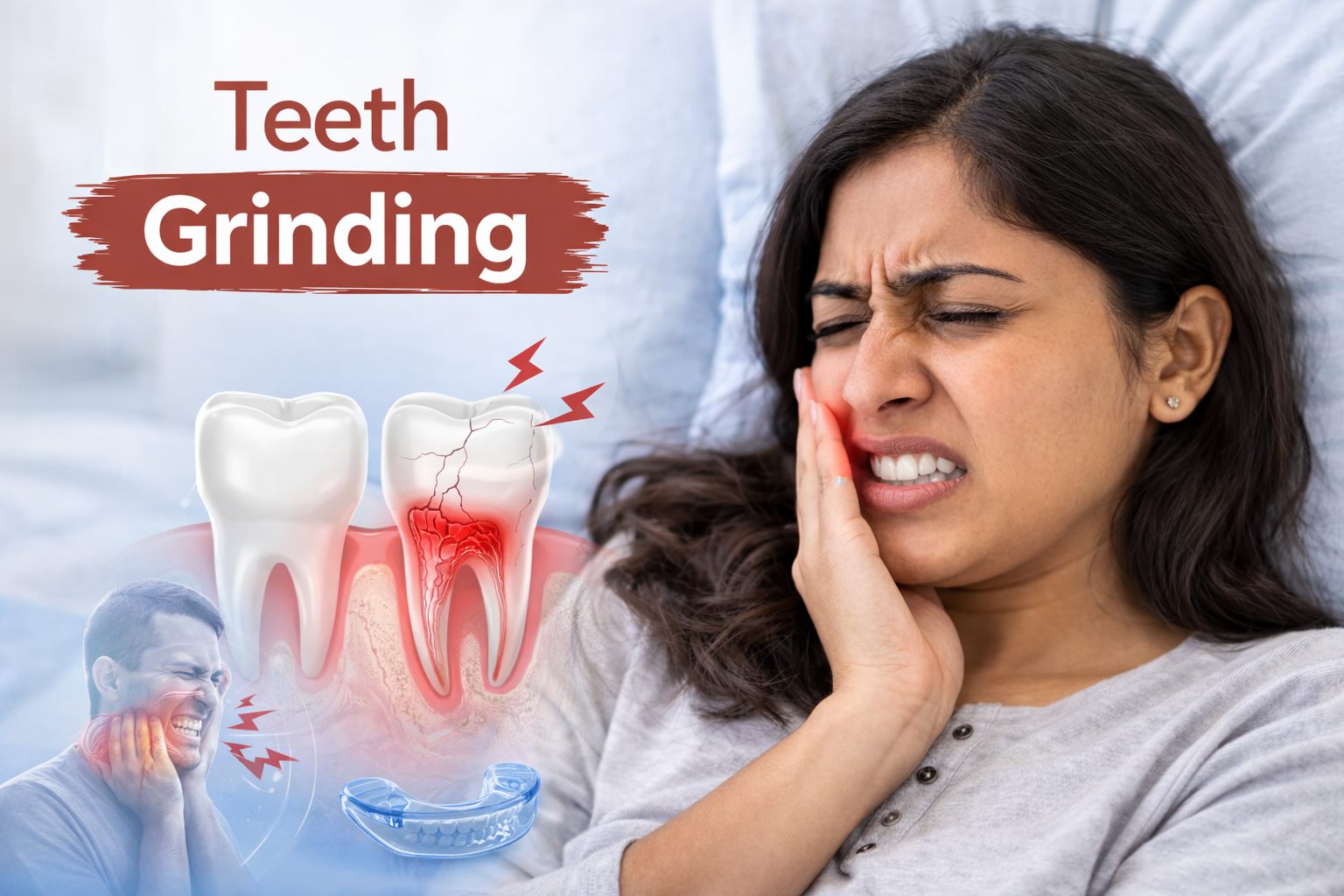
5. Consider using a mouthguard if teeth grinding (bruxism) is a contributing factor.
Ignoring teeth sensitivity can lead to several potential complications, including:
1. Increased discomfort and pain, which can impact quality of life and daily activities.
2. Dental problems may worsen over time, leading to more extensive and costly treatment.
3. Continued enamel erosion and gum recession, which can increase the risk of tooth decay, gum disease, and tooth loss.
4. Negative effects on oral health and overall well-being, including difficulty eating, speaking, and maintaining proper nutrition.
Therefore, it’s essential to address teeth sensitivity promptly by consulting with a dentist to identify the underlying cause and develop an appropriate treatment plan.