
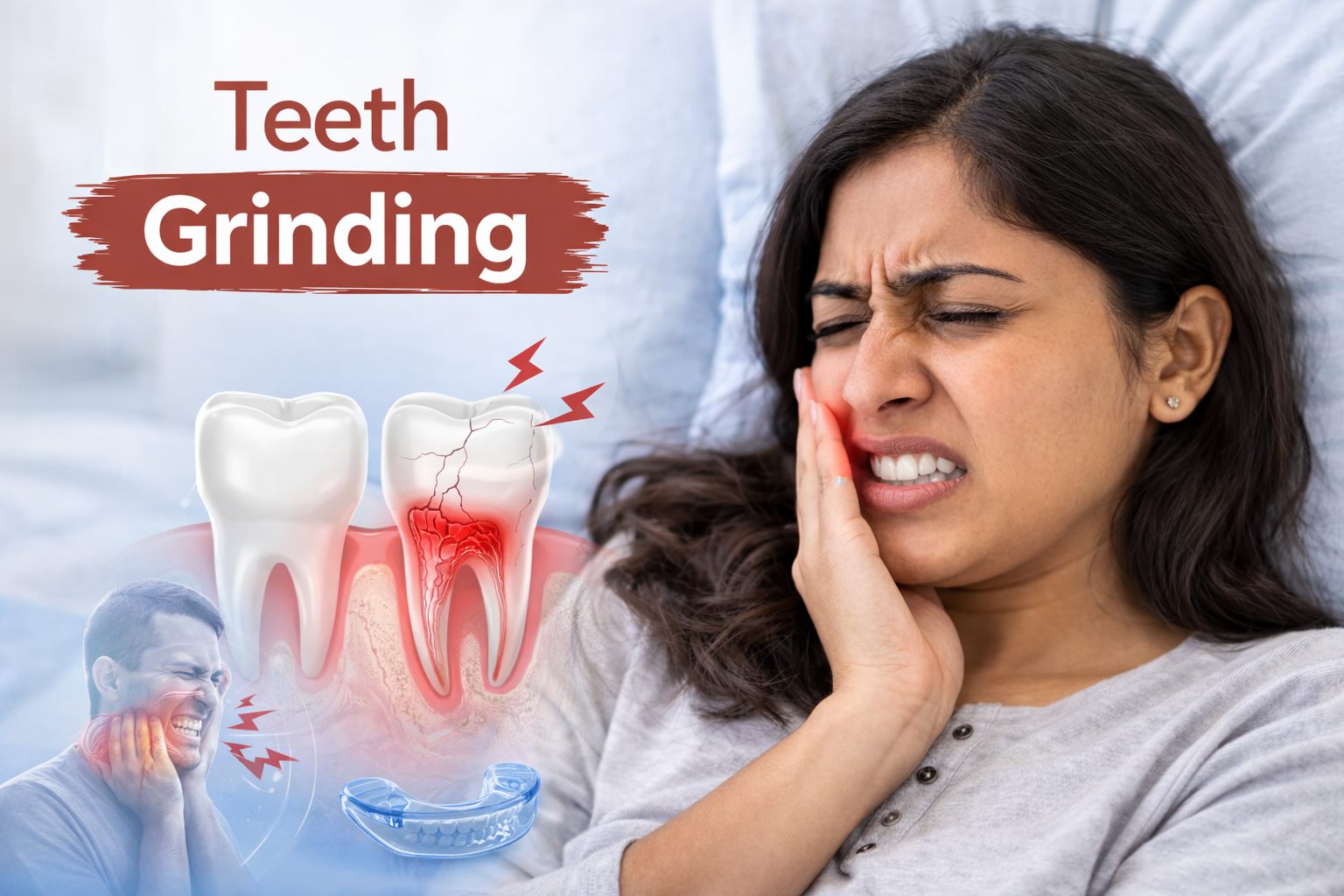
Teeth Grinding
Teeth grinding, medically known as bruxism, is a condition characterized by the involuntary clenching, gnashing, or grinding of teeth, usually during sleep. In some cases, it can also occur during waking hours, often as a response to stress, anxiety, or tension.
The exact cause of bruxism is not fully understood, but it is believed to involve a combination of factors, including:
1. Stress and Anxiety: Psychological factors such as stress, anxiety, anger, or frustration can contribute to teeth grinding. Bruxism may serve as a coping mechanism or an unconscious response to emotional tension.
2. Malocclusion (Misaligned Bite): Misalignment of the teeth or jaws can cause uneven contact between teeth, leading to grinding as the body attempts to adjust the bite.
3. Sleep Disorders: Bruxism is often associated with certain sleep disorders, such as sleep apnea or snoring. Disrupted sleep patterns and abnormal breathing during sleep may contribute to teeth grinding.
4. Lifestyle Factors: Habits such as excessive alcohol consumption, smoking, or the use of stimulants like caffeine or recreational drugs can increase the risk of bruxism.
While there is no cure for bruxism, there are several strategies and lifestyle changes that may help manage symptoms and alleviate discomfort:
1. Stress Management Techniques: Practice relaxation techniques such as deep breathing, meditation, yoga, or progressive muscle relaxation to reduce stress and anxiety.
2. Behavioral Therapy: Cognitive-behavioral therapy (CBT) or counseling may help address underlying emotional factors contributing to bruxism.
3. Mouthguards or Splints: Wearing a custom-fitted mouthguard or splint at night can protect the teeth from damage caused by grinding and reduce muscle tension in the jaw.
4. Jaw Exercises and Physical Therapy: Gentle jaw exercises and physical therapy techniques may help relax the jaw muscles and improve jaw alignment.
5. Avoiding stimulating substances: Limit consumption of caffeine, alcohol, and recreational drugs, which can exacerbate bruxism symptoms.
Ignoring bruxism can lead to several potential complications and adverse effects, including:
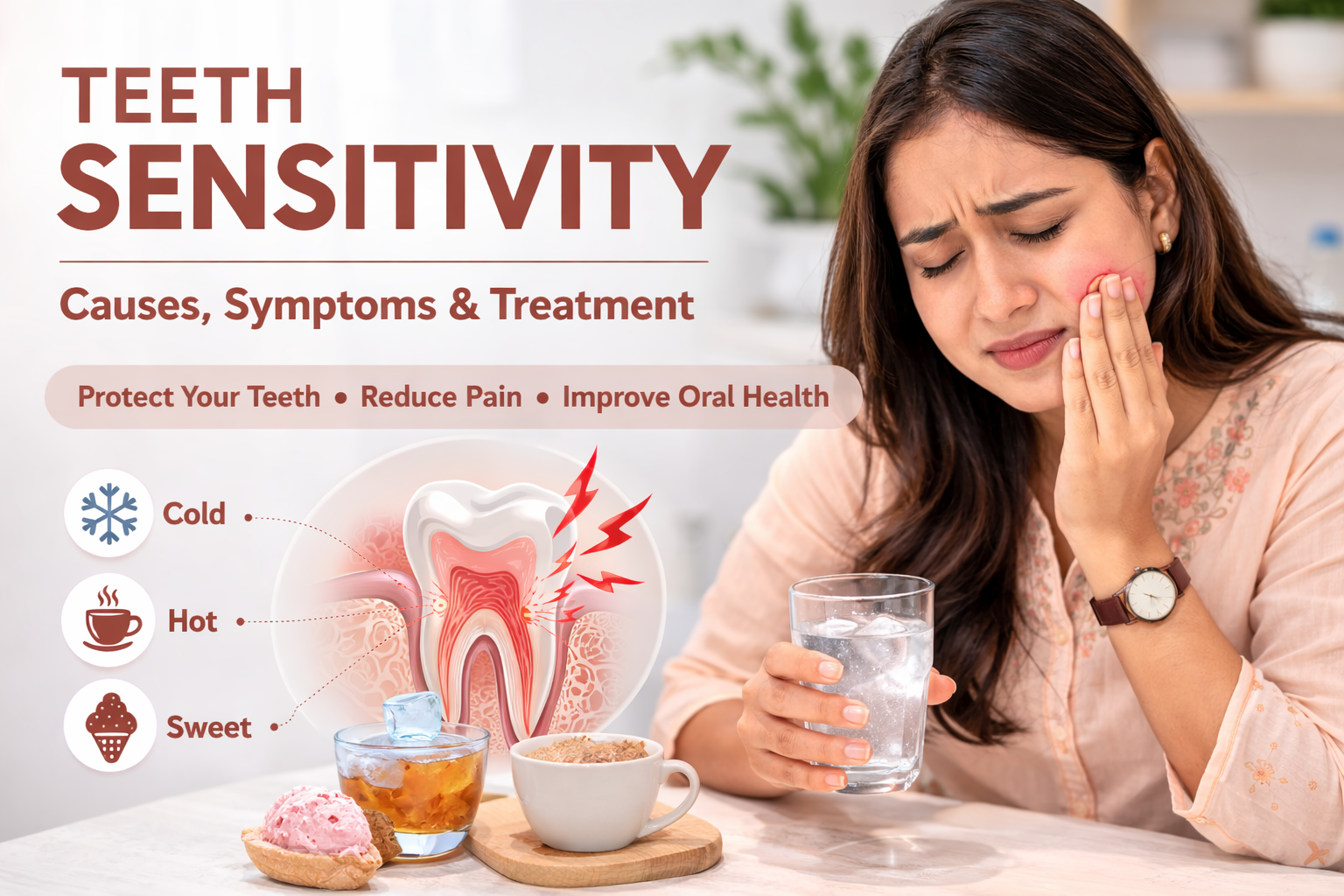
1. Tooth damage: Persistent grinding can wear down the enamel, leading to tooth sensitivity, fractures, chips, or flattening of the teeth.
2. Jaw Pain and Temporomandibular Joint (TMJ) Disorders: Bruxism can strain the muscles and joints of the jaw, leading to jaw pain, stiffness, clicking or popping noises, and TMJ disorders.
3. Headaches and Facial Pain: Chronic teeth grinding may cause tension headaches, facial pain, earaches, or neck and shoulder pain.
4. Disrupted Sleep: Bruxism can interfere with sleep quality and lead to daytime fatigue, irritability, and decreased concentration and productivity.
Therefore, it’s essential to address bruxism and seek appropriate treatment to prevent further complications and improve overall oral health and well-being. If you suspect you may be grinding your teeth, consult with a dentist or healthcare provider for evaluation and personalized recommendations.