
Dental Implants 1
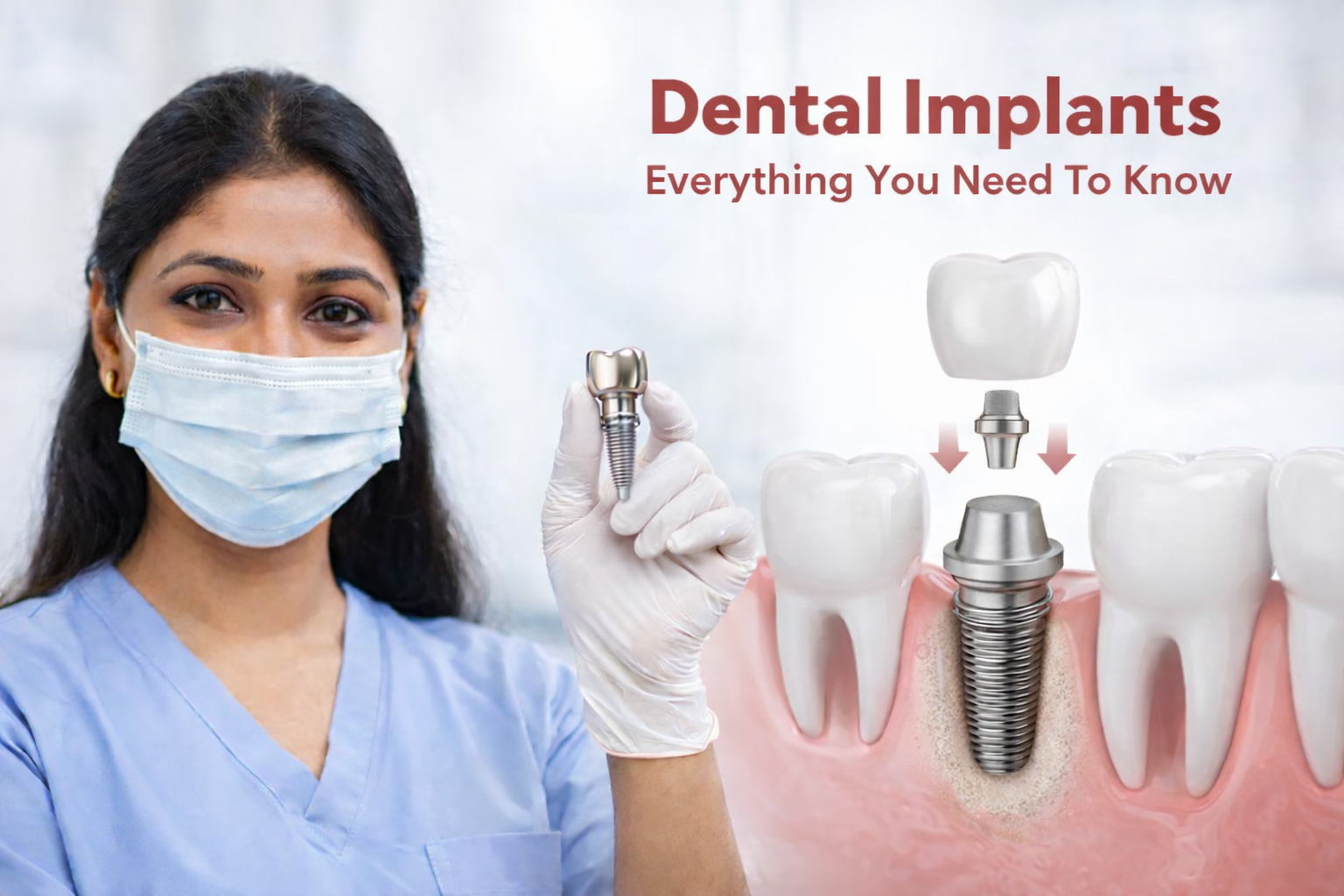
Dental implants are prosthetic tooth roots made of titanium that are surgically placed into the jawbone beneath the gum line. They serve as a stable foundation for replacement teeth, such as crowns, bridges, or dentures. Dental implants are a popular and effective solution for replacing missing teeth and restoring oral function and aesthetics.
The process of getting dental implants typically involves several steps:
1. Consultation and evaluation: The dentist or oral surgeon will conduct a thorough examination, including dental imaging (X-rays, CT scans) to assess bone density and the condition of the jawbone and surrounding tissues. They will also discuss the patient’s dental history, overall health, and treatment goals to determine if they are a suitable candidate for dental implants.
2. Implant placement: During the surgical procedure, the dentist or oral surgeon will make an incision in the gum tissue to access the jawbone. They will then drill a small hole into the bone and carefully insert the implant into the designated position. After placement, the implant will be left to integrate with the surrounding bone tissue through a process called osseointegration, which typically takes several months.
3. Healing and osseointegration: Over the next few months, the implant will fuse with the jawbone, providing a stable and secure foundation for the replacement tooth. During this healing period, patients may wear temporary restorations to maintain function and aesthetics.
4. Abutment placement: Once osseointegration is complete, a small connector piece called an abutment is attached to the implant. The abutment serves as a link between the implant and the final restoration (crown, bridge, or denture).
5. Restoration placement: Finally, the customized dental restoration (crown, bridge, or denture) is attached to the abutment, completing the dental implant treatment and restoring the patient’s smile and oral function.
While dental implant surgery is performed under local anesthesia and patients typically experience minimal discomfort during the procedure, some soreness or swelling may occur afterward. Pain can usually be managed with over-the-counter pain relievers, and any post-operative discomfort typically subsides within a few days.
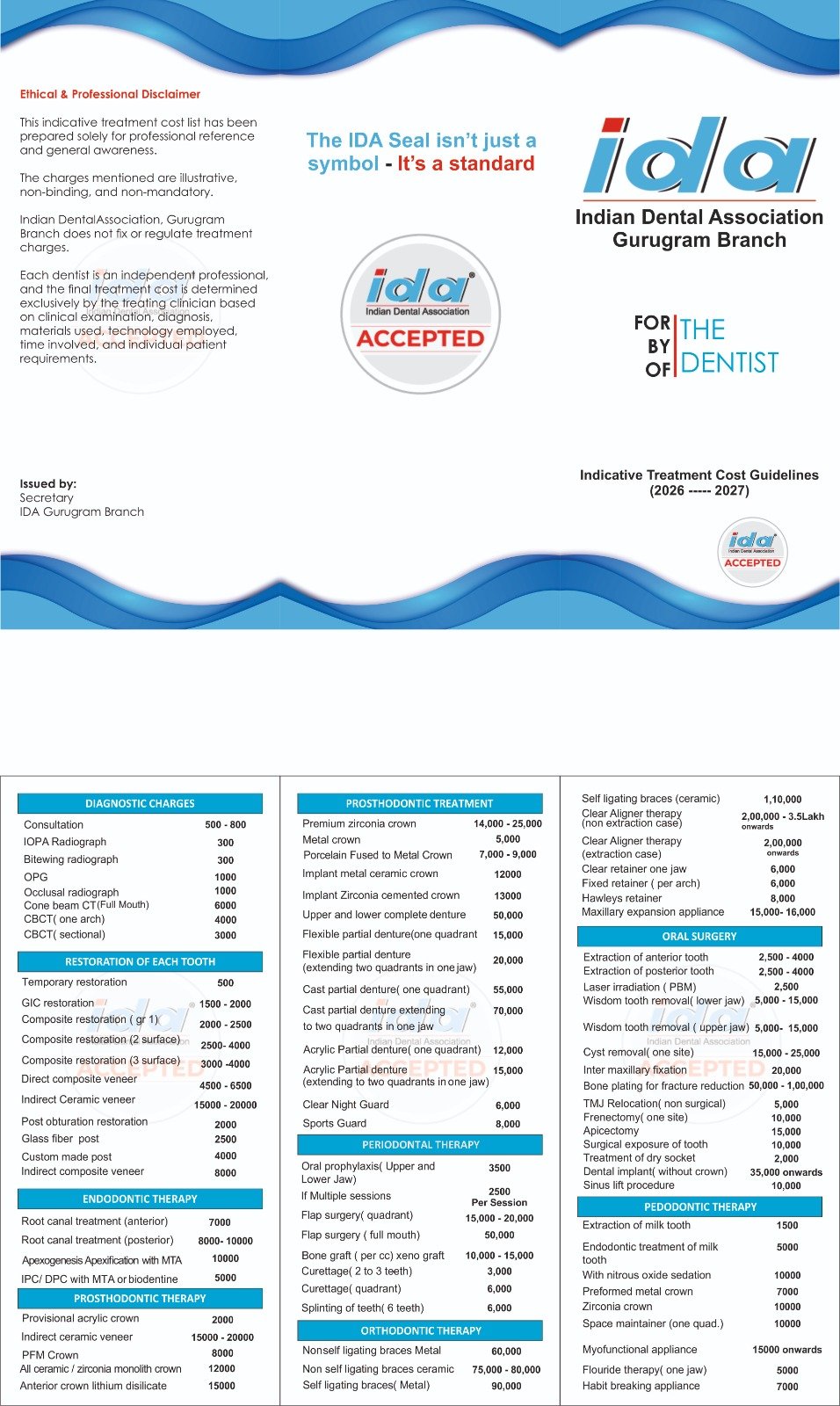
The cost of dental implants can vary depending on several factors, including the number of implants needed, the complexity of the case, the location of the dental practice, and any additional procedures required (such as bone grafting or sinus lift). While dental implants may have a higher upfront cost compared to other tooth replacement options, they are considered a long-term investment in oral health and quality of life, as they offer durability, stability, and natural-looking results. Many dental offices also offer financing options or payment plans to help make dental implant treatment more affordable for patients.